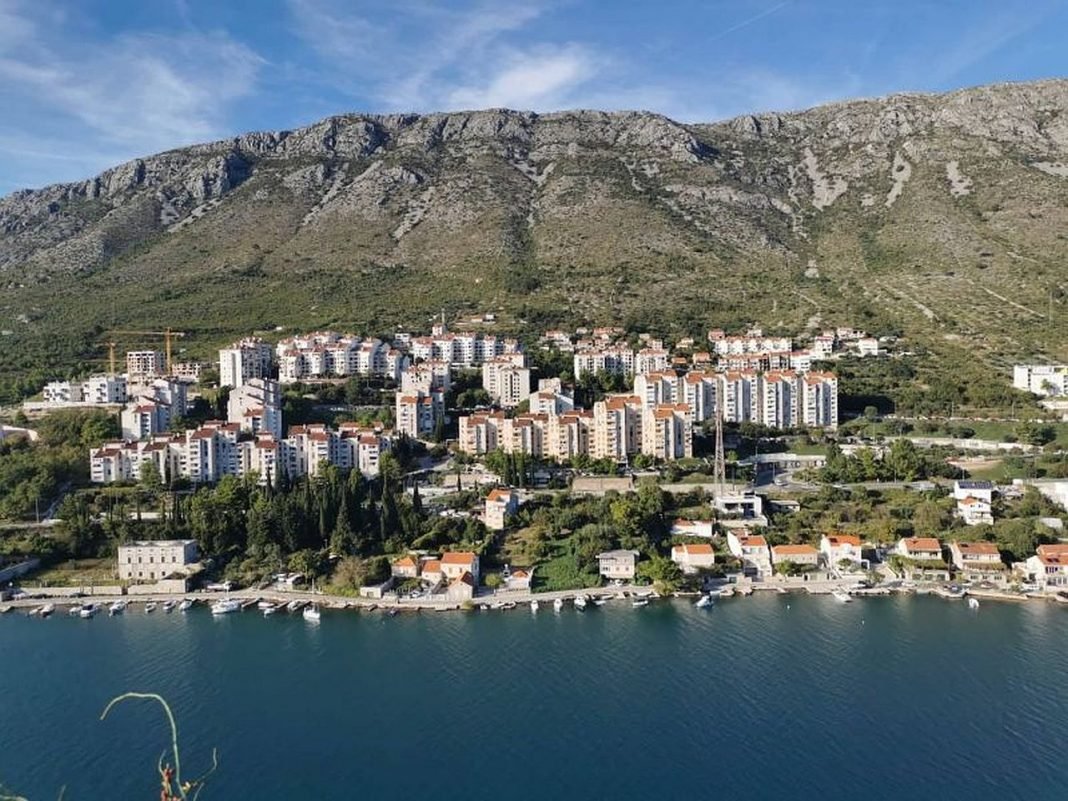
There's a familiar version of Dubrovnik's housing story, and it's about the Old Town emptying out. This is a different one: about the people who were never trying to live inside the walls in the first place, and what a near-40% rent spike has done to their ability to stay in the city at all.
The number, in context
Advertised rents across Dubrovnik are up roughly 38% over the past year. Actual signed leases run somewhat behind that, closer to 20-25%. A studio now runs around €650 a month, a one-bedroom around €900, a two-bedroom around €1,250, and the vacancy rate for usable long-term rentals sits at 2-3%. Rents here now run roughly 41% above the wider county average.
Where the supply actually went
Somewhere around 4,200 active short-term listings make up an estimated 18% of the city's total housing stock, rising to roughly a third of everything inside the Old Town specifically. Every one of those units is a unit that isn't available to someone signing a twelve-month lease.
What it's doing to hiring, not just housing
Hospitality employers report struggling specifically with roles like maintenance and revenue management: vacancy rates in the mid-30s to mid-40s percent for some positions. When a paycheck can't clear the rent on its own, roles that used to fill easily from the local labor pool stop filling at all.
Where workers actually end up
Increasingly, in employer-provided housing, now regulated rather than informal: a minimum of 14 square meters per worker, plus 6 more for each additional occupant, with rent capped at no more than 30% of net salary. Croatia now has over 105,000 registered foreign workers nationally, the majority in tourism, hospitality and construction.
It isn't only the seasonal, foreign-national workforce feeling this either. A meaningful share of the University of Dubrovnik's own bilingual hospitality graduates leave for cities like Barcelona or Lisbon within a year or two of finishing.
Where this leaves things
This is a supply problem with a clear mechanism: a meaningful slice of long-term housing stock has shifted toward short-term use, vacancy has collapsed, and the people absorbing the difference are disproportionately the ones the tourism economy depends on to actually run day to day.